
Post Mortem - Frank van de Goot
Chapters Unbound: Episode 37
Rating: ⭐⭐⭐⭐⭐
Post Mortem by Frank van de Goot is centred around the work of a forensic pathologist. The story moves through death not as spectacle, but as part of a profession built on observation, reconstruction, and unanswered questions. Bodies are present, facts are gathered, but meaning is never immediate. The book treats death as something concrete, while truth remains something you have to work toward, piece by piece.
“Het rivierwater stroomde er aan alle kanten uit evenals tientallen levende palingen.” (River water flowed out on all sides, as did dozens of live eels.)
~ Frank van de Goot
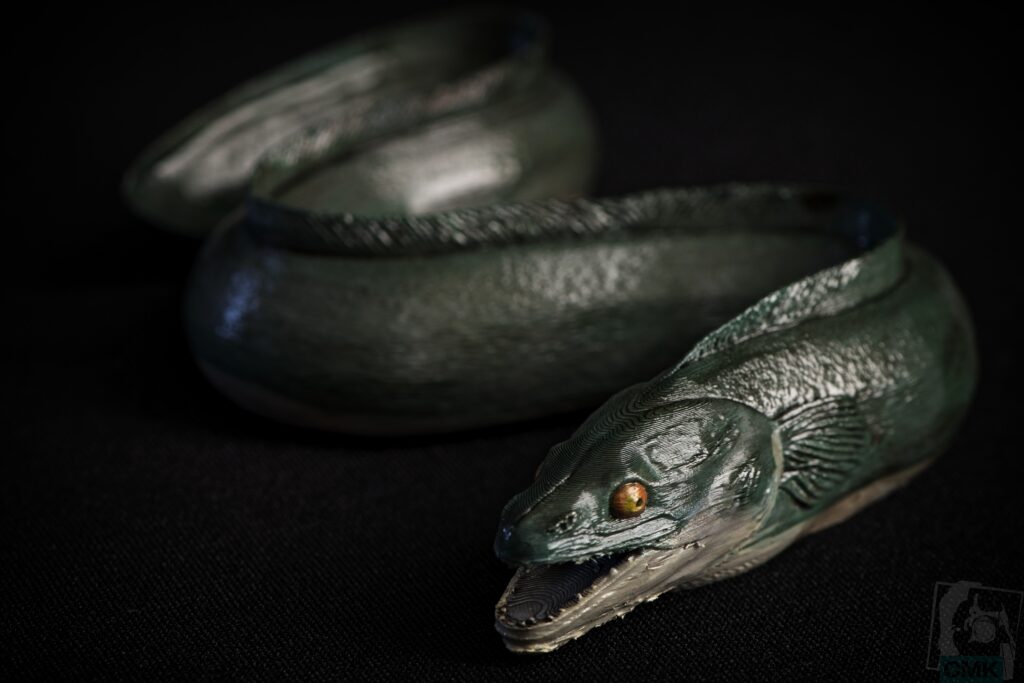
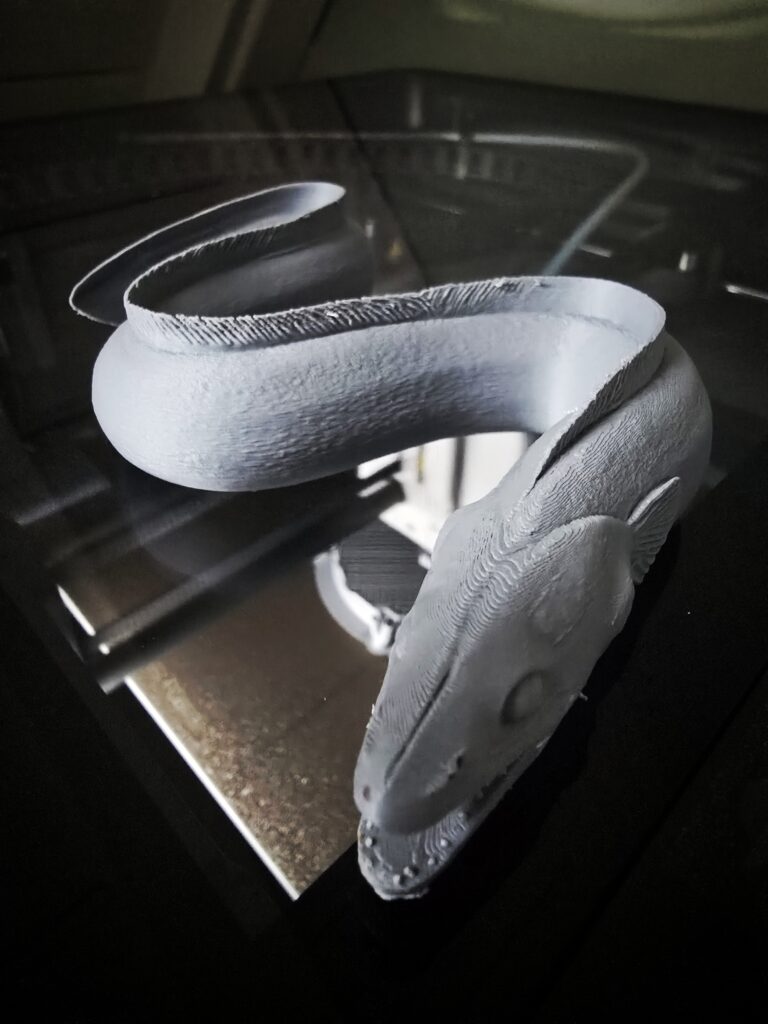
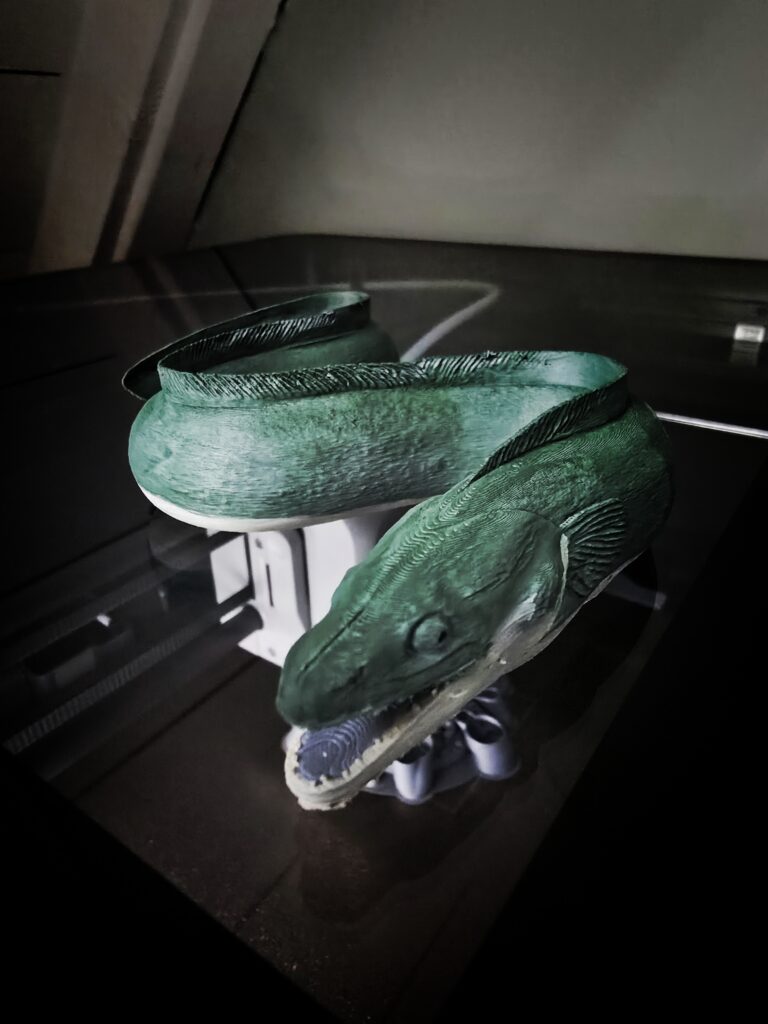
For this episode, I chose an eel as the central form. That choice came naturally while reading. Eels are tied to death in the story, but also to what happens after. They are visible and physical, yet their life cycle is largely unknown. You can see the animal, but not the path it has taken. That tension felt closely connected to the world of Post Mortem.
Following the Same Line
The print grew out of that idea. I kept returning to why eels intrigued me so much in this context. Pathology works in a similar way. You work with what is left behind, not with the full story. There is a body, there are traces, but the sequence behind them has to be reconstructed. I have always found that process fascinating. Like death itself, it raises questions that don’t always have clear answers.
“Palingen zijn aaseters.” ("Eels are scavengers.")
~Frank van de Goot
That sentence is simple and factual. It doesn’t soften what it describes. In the book, this kind of directness comes back often. Death isn’t dramatized or avoided. It’s present, physical, and unavoidable. The eel fits that approach. It exists without explanation, connected to decay, but also to the continuation of life.
Trying to Put the Pieces Together
I loved Post Mortem. It held my attention easily and never felt forced. I enjoy stories that treat their subject matter with restraint, and this book does that consistently. My interest in pathology and in death as a phenomenon made this an especially engaging read for me. Like a good puzzle, it doesn’t hand you the solution. You’re left to connect the pieces yourself, and that is exactly what stayed with me after closing the book.