
DuivelMaeker - Bianca Mastenbroek
Chapters Unbound: Episode 39
Rating: ⭐⭐⭐⭐☆
Duivelmaeker by Bianca Mastenbroek centres around Hieronymus Bosch and the world that surrounds his work. The story moves between art, belief, power, and fear, while keeping one foot firmly planted in the present. What stands out is how familiar the questions feel. Good and evil are never cleanly separated, and certainty is always provisional.
“Hij is maar een halfslachtige duivel: hij heeft nog gewoon haar, ogen, oren, handen.” (“He’s just a half-hearted devil: he’s still got hair, eyes, ears, hands.”)
~ Faye
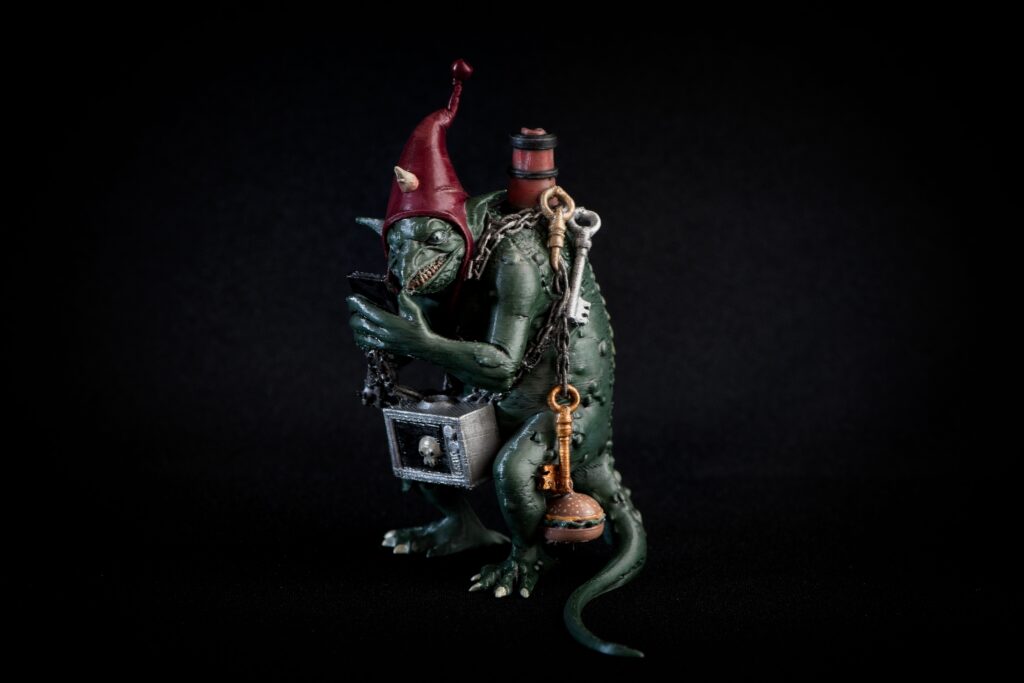
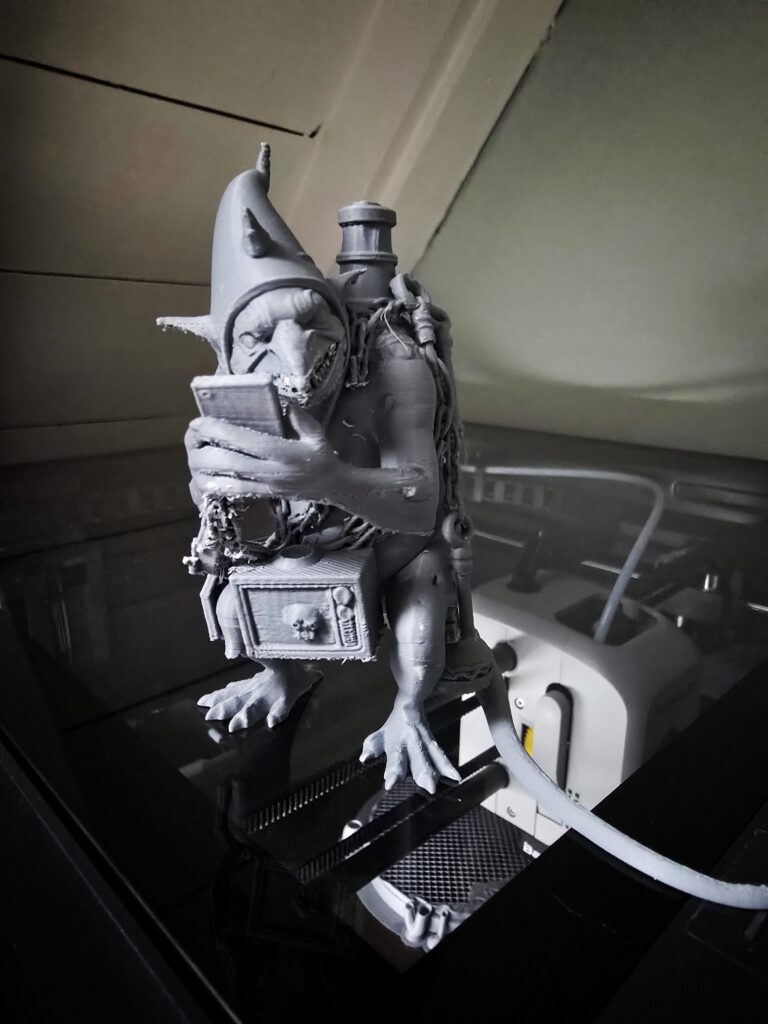
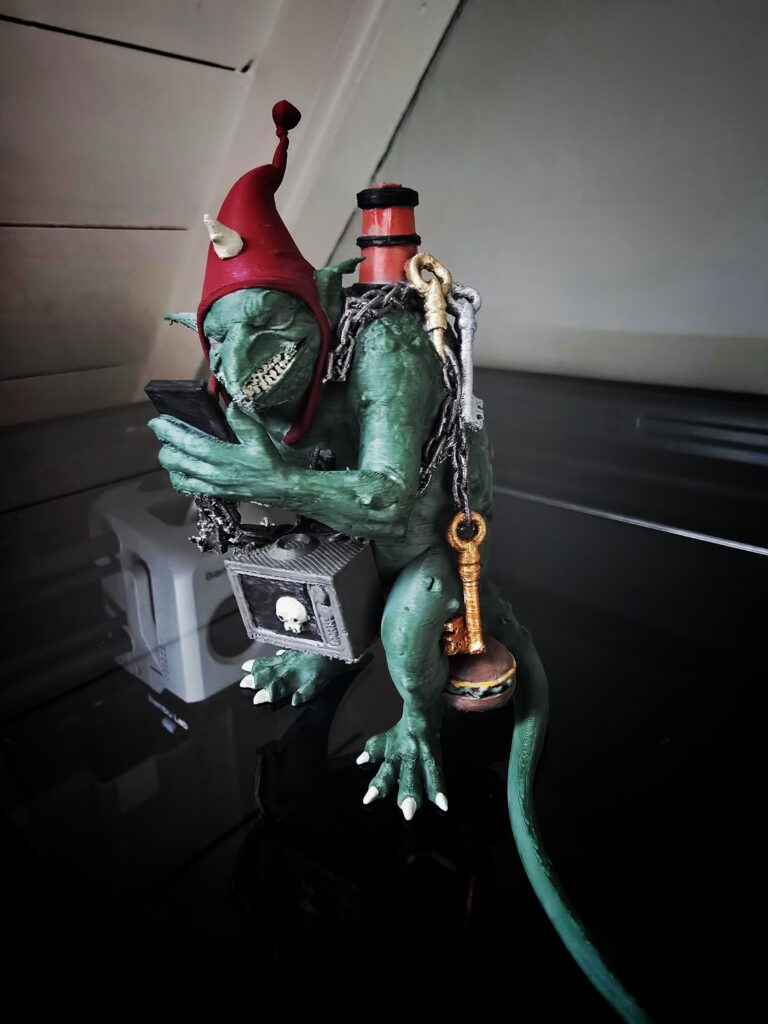
For this episode, I didn’t choose a single scene. Instead, I made a Bosch-inspired figure that pulls together elements from the story. The result is not an illustration, but a presence. Something that feels unfinished, slightly off-balance, and difficult to place. That felt appropriate. In Duivelmaeker, figures are rarely what they claim to be, and appearances don’t settle anything.
Between Belief and Performance
The piece grew out of that tension. The figure looks like a devil, but not entirely. It carries attributes, objects, and gestures that suggest authority, knowledge, and deception at the same time. Bosch’s visual language allows for that ambiguity. Monsters can look familiar. Symbols can accuse and entertain at once. That overlap is where the story spends much of its time.
“Het is dus allemaal waar: Joen, de duivel, de drie verborgen...” (“So it's all true: Joen, the devil, the three hidden...”)
~ Faye
The novel builds toward moments where myth, belief, and reality press against each other. You’re led to expect one outcome, yet you keep questioning whether the story will follow that path. Even when you think you know where it’s heading, doubt stays present. That uncertainty is part of the pleasure.
What Stayed With Me
I found Duivelmaeker an engaging and thoughtful read. The ending surprised me, even though I thought I saw it coming. That contradiction worked well. The book weaves social issues into its narrative without forcing them forward, which made them feel relevant rather than instructional. Translating that atmosphere into a Bosch-inspired piece felt like a natural extension. It allowed space for contradiction, discomfort, and recognition. Exactly the elements that made the book linger after I finished it.